
data is Loading...
data is Loading...
Neurodevelopmental, meaning that it affects how the brain functions and develops
Not neurodegenerative, meaning brain cells will not become damaged or die
Complex and can have a variety of symptoms that may change over time
Rett typically affects girls (but boys can have Rett too).
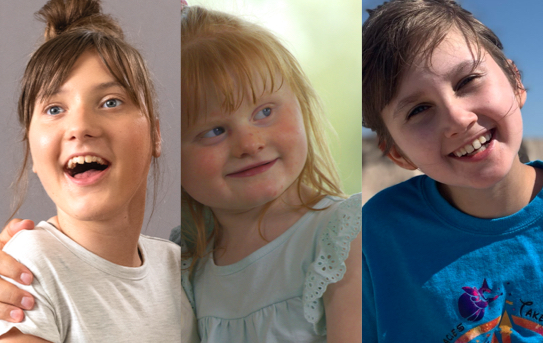
are living with Rett syndrome in the United States
The path to a Rett diagnosis isn’t always simple. It can be years of frustrating twists, turns, and tests for families before a confirmed diagnosis, as they fight to get proper care.
The diagnosis for Rett syndrome is based on your child’s symptoms and behaviors that your doctor has observed in their office and what you have observed in your child at home. A genetic test is not required for diagnosis.
While symptoms for Rett syndrome can start as early as 6 months, most children aren’t diagnosed until they’re about 3 years old.
A period of regression is often noticed as the first sign of Rett. During this regression, your child may lose skills or miss developmental milestones. This period is usually followed by a period of stabilization, which means some of the previous symptoms seem to be getting better.

This could look like a loss of words they once said, or they may make sounds but not say any meaningful words

This could look like walking on toes or balls of feet, or walking with feet wide apart, or not being able to walk at all
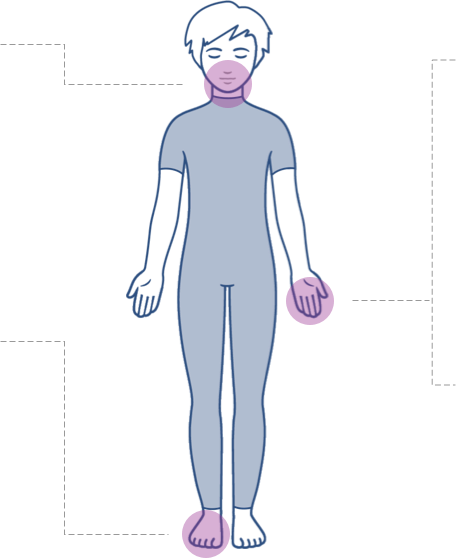

This could look like handwringing, squeezing, clapping/tapping, mouthing, washing and/or rubbing of their hands

This could look like the loss of ability to grasp and intentionally touch things
Other signs and symptoms of Rett your doctor may look for when making a diagnosis are:
Since Rett syndrome is so rare, these symptoms may be mistaken for more commonly known disorders like autism, cerebral palsy, or nonspecific developmental delays.
Discover a range of therapies and supportive care options designed to address the unique signs and symptoms of Rett.
Explore care approachesWe want to live out loud with Rett syndrome. There’s no shame in this. It’s really quite the opposite.
Matthew, Lucy’s Dad
Rett syndrome can be challenging to navigate since each child’s experience is unique. Two children could be the same age and have the same mutation but have different Rett symptoms.

Use this interactive timeline to learn what symptoms your child may experience at different phases of their life. Remember, not all children will have the same symptoms since Rett presents differently in every individual.
Your child may appear to be hitting age-appropriate milestones for their first 6 months. Around the 6- to 18-month mark, there may be signs of regression that could be difficult to notice since changes may happen gradually.
You may see:
These symptoms can last for months, sometimes even over a year.

Lucy at 6-18 months
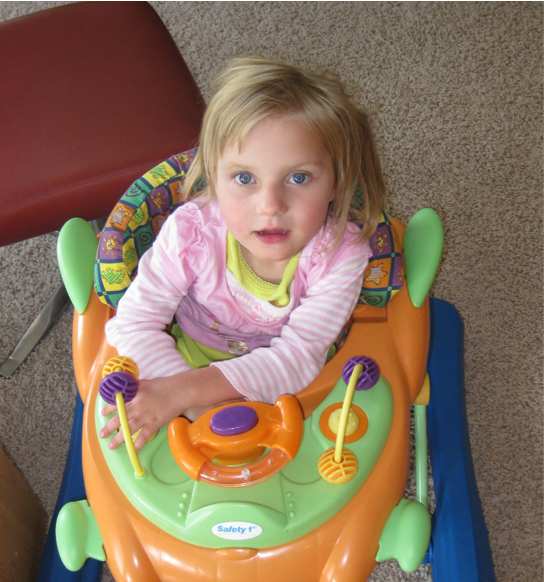
Lucy at 6-18 months
During this time, your child may gradually or suddenly start to lose some of their verbal and motor skills that they’ve already developed.
You may see:

Lucy at 1-4 years old
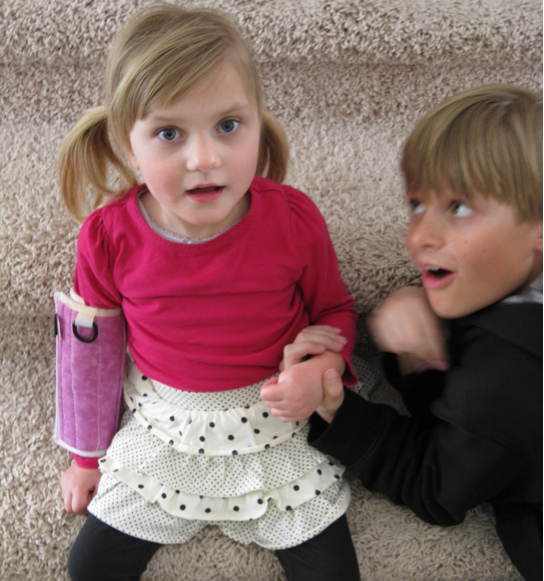
Lucy at 1-4 years old

Lucy at 1-4 years old

Lucy at 1-4 years old
At this time of your child’s life, some of the previous symptoms may seem to be stabilizing or getting better. You may even see improvements in perception, memory, and understanding.
Your child may show more interest in their surroundings, may be more alert, and even engage in eye-pointing to communicate. However, their ability to have coordinated and purposeful hand and body movement may be severely reduced.
Some children living with Rett may also experience seizures, which often begin within this age range.

Lucy at 2-10 years old

Lucy at 2-10 years old
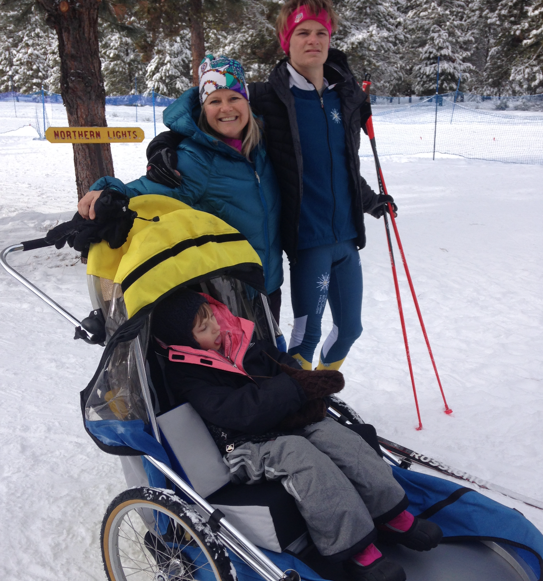
Lucy at 2-10 years old

Lucy at 2-10 years old

Lucy at 2-10 years old
From around age 10 onward, some children living with Rett may experience a decline in movement. Many transition to wheelchairs and/or have a gastrostomy tube (G-tube or feeding tube).
They may develop:
Some children may also experience additional difficulties with movement and motor control. Since symptoms and severity of Rett syndrome can vary, not every child will experience these symptoms, nor will the stages happen at the same age in a child’s life.

Lucy at 10+ years old

Lucy at 10+ years old
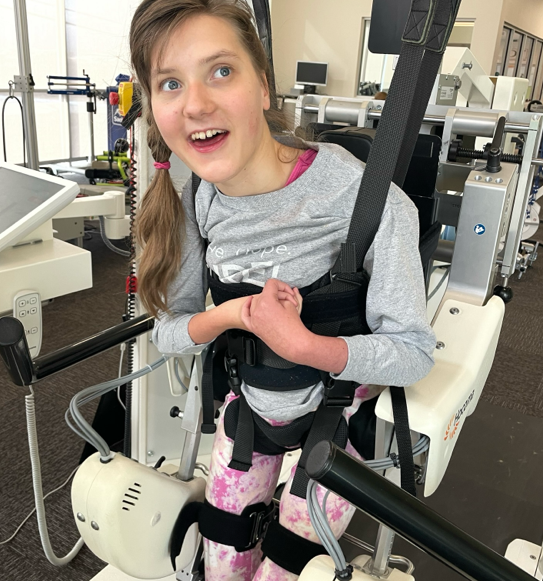
Lucy at 10+ years old

Lucy at 10+ years old

Lucy at 10+ years old
When Lucy missed her milestones, her parents sensed something was off. Find out how they persisted and ultimately found clarity in a Rett syndrome diagnosis.
I’ve learned that if we’re willing to find a way, she’s always willing to go. These experiences have brought our family closer and given my sons a deeper connection with their sister.
Matthew, Lucy’s Dad
Following a clinical diagnosis, your doctor may recommend a genetic test for confirmation. A genetic test could help you and your doctor gain a better understanding of your child’s specific MECP2 gene mutation and it may make it possible to participate in future clinical trials.

Talk to your doctor about genetic testing for the MECP2 gene.